Weather data · Expedition weather
Iceland Ring Road weather by month: wind, cold, daylight
By AdventureLive · Updated
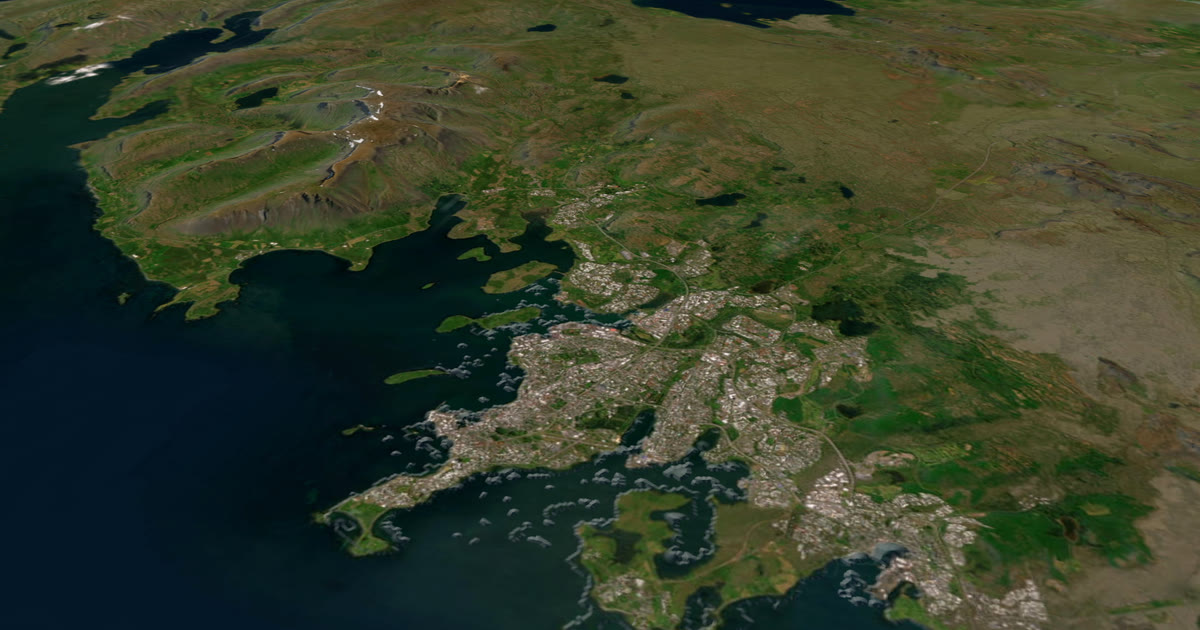
Iceland's Ring Road is one long loop with four very different climates. The south coast is wet and windy, Akureyri in the north is cold and calm, and the daylight swings from about 3 hours to 23. This guide shows each by month, from ten years of records.
What is the best month for the Ring Road?
June to August. Afternoons average 13.3 °C at Reykjavík in July, 9.5 °C at Vík in August, 10.6 °C at Höfn and 10.9 °C at Akureyri in July. July pre-dawn is 6.9 to 9.0 °C. The wind is at its lowest: 11.5 km/h at Reykjavík, 16.2 km/h at Vík and 13.3 km/h at Höfn (in August).
Winter is a different road trip. It is dark, cold in the north and windy on the south coast.
What does each town look like by month?
Afternoon is 14:00 and pre-dawn is 04:00, both UTC, which is local time in Iceland. Shown as afternoon / pre-dawn, in °C.
| Month | Reykjavík | Vík | Höfn | Akureyri |
|---|---|---|---|---|
| Jan | -0.3 / -1 | 1.4 / 1.3 | 0.6 / 0.3 | -4.3 / -4.6 |
| Feb | 0.8 / -0.8 | 1.8 / 1.4 | 1.4 / 0.7 | -3.4 / -4.4 |
| Mar | 2.5 / -0.3 | 2 / 1.4 | 1.9 / 0.6 | -2.4 / -4.2 |
| Apr | 5.8 / 2.1 | 3.7 / 2.8 | 4 / 2 | 0.6 / -2.2 |
| May | 8.4 / 4.3 | 5.3 / 4.4 | 6.3 / 4 | 4.1 / 0.3 |
| Jun | 11.1 / 7.2 | 7.6 / 6.7 | 9.1 / 6.8 | 9.3 / 5 |
| Jul | 13.3 / 9 | 9.2 / 8.4 | 10.6 / 8.3 | 10.9 / 6.9 |
| Aug | 12.9 / 8.8 | 9.5 / 8.6 | 10.6 / 8.3 | 10.6 / 6.4 |
| Sep | 10 / 6.9 | 8 / 7.2 | 8.8 / 6.9 | 7.3 / 3.9 |
| Oct | 6.5 / 4.2 | 5.6 / 5 | 5.8 / 4.6 | 1.9 / -0.1 |
| Nov | 2.8 / 1.9 | 3.3 / 3.2 | 3.1 / 2.7 | -2.6 / -2.9 |
| Dec | 0 / -0.6 | 1.9 / 1.6 | 0.8 / 0.6 | -4.7 / -5 |
Source: ERA5 (Copernicus Climate Change Service), 2015 to 2024. Monthly means of the 14:00 and 04:00 hours.
Akureyri is the cold one: -4.3 °C in the afternoon in January and -4.6 to -5.0 °C before dawn in winter. Vík and Höfn stay around 0 to +2 °C. Reykjavík is near freezing from December to February.
How wet and windy is it?
Rain is the monthly total in mm.
| Month | Reykjavík | Vík | Höfn | Akureyri |
|---|---|---|---|---|
| Jan | 136 | 267 | 176 | 110 |
| Feb | 133 | 293 | 233 | 111 |
| Mar | 128 | 252 | 193 | 105 |
| Apr | 113 | 205 | 166 | 70 |
| May | 116 | 176 | 127 | 69 |
| Jun | 89 | 120 | 121 | 88 |
| Jul | 79 | 125 | 113 | 89 |
| Aug | 94 | 164 | 147 | 106 |
| Sep | 136 | 255 | 249 | 136 |
| Oct | 135 | 272 | 238 | 140 |
| Nov | 111 | 252 | 194 | 112 |
| Dec | 117 | 272 | 198 | 141 |
Wind is the mean 10 m wind speed, then the typical gust, in km/h, shown as wind / gust. The typical gust is the monthly mean of the hourly instantaneous gust. It is not the strongest gust of the month.
| Month | Reykjavík wind / gust | Vík wind / gust | Höfn wind / gust | Akureyri wind / gust |
|---|---|---|---|---|
| Jan | 16.8 / 36.8 | 27.6 / 46 | 21.2 / 35.3 | 8.5 / 35.7 |
| Feb | 16.9 / 37.3 | 28 / 46.5 | 21.5 / 35.5 | 8.1 / 34.2 |
| Mar | 15.4 / 34.4 | 25.7 / 42.5 | 21.4 / 35 | 7.8 / 32.2 |
| Apr | 15.1 / 33.7 | 22.4 / 36.3 | 17.4 / 28.5 | 6.8 / 27.1 |
| May | 14.2 / 32.4 | 20.6 / 32.9 | 16.2 / 26.5 | 7.1 / 26.3 |
| Jun | 12.8 / 29.1 | 18.3 / 28.7 | 15.6 / 24.6 | 7.5 / 26.6 |
| Jul | 11.5 / 26.3 | 16.2 / 25.2 | 13.9 / 22 | 6.9 / 24.2 |
| Aug | 12.2 / 27.4 | 17.1 / 26.8 | 13.3 / 21.3 | 6.6 / 23.4 |
| Sep | 14.3 / 31.6 | 20.4 / 32.9 | 16.1 / 26.1 | 7.5 / 28.4 |
| Oct | 14.7 / 32.3 | 23.9 / 39 | 17.9 / 29 | 7.3 / 29.2 |
| Nov | 14.9 / 32.8 | 25.9 / 42.6 | 20.2 / 33.3 | 7.9 / 32.3 |
| Dec | 15.2 / 33.4 | 26.8 / 44.3 | 22 / 36.5 | 8.1 / 32.9 |
Source: ERA5, 2015 to 2024.
Vík is the wettest by far, at 120 to 293 mm a month. It peaks in February (293 mm) and is driest in June. Höfn is 113 to 249 mm, Reykjavík 79 to 136 mm and Akureyri 69 to 141 mm, driest in April and May.
It is windiest in winter. Vík averages 28.0 km/h in February and 27.6 km/h in January, against 16.2 km/h in July. Höfn runs 21.2 to 22.0 km/h from December to March, against 13.3 km/h in August. Reykjavík peaks at 16.9 km/h in February, and Akureyri stays between 6.6 and 8.5 km/h all year.
Both wind columns are monthly means, so the strongest gusts are far higher than the typical gust shown. Storm gusts on the south coast are what close roads and take doors off cars. Use the live forecast and local warnings for wind on the day, especially on a motorbike.
How much daylight is there?
Daylight changes more than anything else on the Ring Road. We computed it for the 15th of each month. It is not an ERA5 figure.
| Month | Reykjavík daylight (h) | Akureyri daylight (h) | Akureyri snowfall (mm) | Vík snowfall (mm) |
|---|---|---|---|---|
| Jan | 5.3 | 4.6 | 101 | 111 |
| Feb | 8.4 | 8.1 | 101 | 128 |
| Mar | 11.5 | 11.4 | 97 | 107 |
| Apr | 14.9 | 15.2 | 60 | 50 |
| May | 18.3 | 19 | 41 | 30 |
| Jun | 21 | 23 | 20 | 4 |
| Jul | 19.7 | 20.7 | 3 | 0 |
| Aug | 16.4 | 16.7 | 7 | 0 |
| Sep | 12.9 | 12.9 | 41 | 10 |
| Oct | 9.6 | 9.4 | 94 | 32 |
| Nov | 6.3 | 5.7 | 95 | 57 |
| Dec | 4.2 | 3.2 | 129 | 102 |
Source: daylight computed astronomically (sunrise equation), ignoring mountains. Snowfall is ERA5, in mm water equivalent.
December has 4.2 hours at Reykjavík and 3.2 hours at Akureyri. June has 21.0 hours at Reykjavík and 23.0 hours at Akureyri. Plan winter driving for the middle of a short day.
Snow falls at Akureyri from October to May, 94 to 129 mm in October to December, and still 20 mm in June. Reykjavík has none from June to August.
When do the Iceland F-roads open?
The highland roads open when the snow allows, so there is no calendar date. The Icelandic Road and Coastal Administration (Vegagerðin) publishes the average opening dates for 2021 to 2025, with the range:
| Road | Average opening | Range |
|---|---|---|
| Kjalvegur, Gullfoss to Hveravellir | 1 June | 30 May to 14 June |
| Fjallabaksleið nyrðri, Sigalda to Landmannalaugar | 2 June | 23 May to 23 June |
| Landmannaleið (F225) | 16 June | 9 to 24 June |
| Lakagígar (F206) | 20 June | not listed here |
| Emstruleið (F261) | 5 July | 23 June to 15 July |
| Sprengisandur | 6 July | 21 June to 13 July |
| Eyjafjörður (F821) | 7 July | not listed here |
Source: Icelandic Road and Coastal Administration, 2021 to 2025.
The road authority says a road may not, in practice, be opened on the projected date. Its page points to road.is (now umferdin.is) for the current state of roads, and to the information line 1777. We did not read an official statement about Ring Road winter conditions, so check the live status before you drive.
How did we get these numbers?
We took ERA5, the Copernicus reanalysis, for 2015 to 2024 at four points: Reykjavík (64.13, -21.9), Vík (63.42, -19.0), Höfn (64.25, -15.2) and Akureyri (65.68, -18.1).
- ERA5 is a model grid of about 31 km. Icelandic weather changes within a few km and coast cells can include sea, so this is a regional guide, not a town station.
- Temperatures are monthly means of two hours. Rain and snowfall are monthly totals.
- Wind is the mean of 10 m wind speed. It swings with passing lows, so direction is not useful month to month.
- Daylight is computed, not ERA5.
What does the wind mean for a ride?
The typical gust matters more to a rider than the mean wind. In Reykjavík it is 37.3 km/h in February against 26.3 km/h in July. At Vík it is 46.5 km/h in February against 25.2 km/h in July. So the wind shoves you around far more in winter, and a storm gust is higher again.
How can family follow an Iceland road trip?
Much of the highlands and the south-east have no phone signal. A Garmin inReach or SPOT sends positions by satellite. Link it to AdventureLive, plan each day as a leg with a GPX or with no route, and share the trip link. See motorbike tour live tracking.
Followers open it in any browser, with no app or account. They see your dot on a 3D satellite map, when you were last seen, and the weather where you are, with alerts for strong wind, freezing cold and heavy rain. Compare Alps passes and Morocco Atlas weather. The expedition weather hub has the rest.
Plan it in AdventureLive
Plan the trip and its legs at /app/. Each leg shows the typical weather for its dates from ten years of records, then the forecast for about the next 10 days once it is near. Followers on the live page see the weather where you are now and for the next 48 hours, with safety alerts for strong wind and gales, freezing or severe cold, heat, heavy rain and thunderstorms. Always check road status and local warnings before you drive. AdventureLive is free, thanks to ProLend.
Contains modified Copernicus Climate Change Service information (2026). Neither the European Commission nor ECMWF is responsible for any use of this information.
Questions people ask
- What is the best month for the Iceland Ring Road?
- June to August. Afternoons average 9.2 to 13.3 °C across the four towns in July and August, and the south-coast wind eases to 16.2 km/h at Vík in July. Daylight is 16.4 to 23.0 hours.
- When do the Iceland F-roads open?
- It depends on snow. The Icelandic Road and Coastal Administration lists 2021 to 2025 average opening dates: Kjalvegur on 1 June, Fjallabaksleið nyrðri on 2 June, Landmannaleið (F225) on 16 June, Sprengisandur on 6 July and Emstruleið (F261) on 5 July. The road may not open on the projected date.
- How windy is the Iceland Ring Road?
- The south coast is the windiest. Vík averages 28.0 km/h in February and 27.6 km/h in January, against 16.2 km/h in July. Akureyri is calm by comparison at 6.6 to 8.5 km/h.
- How much daylight is there in Iceland?
- We computed it for the 15th of each month. In December it is 3.2 hours at Akureyri and 4.2 hours at Reykjavík. In June it is 21.0 hours at Reykjavík and 23.0 hours at Akureyri.
- How cold is Akureyri in winter?
- Akureyri is the cold one: -4.3 °C in the afternoon in January and about -4.6 to -5.0 °C before dawn in winter. Vík and Höfn stay near 0 to +2 °C.
- Can my family follow my Iceland road trip?
- Yes. Link a Garmin inReach or SPOT to AdventureLive, plan the days as legs, and share the trip link. Followers see your dot and the weather where you are, with alerts for strong wind, freezing cold and heavy rain.
Sources
- Icelandic Road and Coastal Administration: opening of mountain roads (average opening dates 2021-2025)
- Umferðin: road conditions and live status (road.is redirects here)
- Copernicus Climate Data Store: ERA5 monthly averaged data on single levels
- Copernicus Climate Change Service: ERA5 explained
- Contains modified Copernicus Climate Change Service information (2026)
Related guides
 Guide · Expedition weatherExpedition weather by month, from ten years of recordsTypical weather by month for Kilimanjaro, the Atlantic row, the Marathon des Sables and Namibia, from ten years (2015–2024) of ERA5 records.
 Guide · Live trackingMotorbike tour live tracking: let family follow every dayA tracker on the bike or the jacket, one leg per riding day, and a link for the people at home: how to live-track an adventure motorbike tour.
 Weather data · Expedition weatherAlps passes: opening dates and weather by month (ERA5)When Stelvio, Grossglockner, Furka, Gotthard and Timmelsjoch open, and what ten years of ERA5 records say about their snow and temperature month by month.
 Weather data · Expedition weatherMorocco Atlas motorbike weather by month (Tizi n'Tichka)Ten years of ERA5 records for Marrakech, Tizi n'Tichka, Ouarzazate and Merzouga: temperature, rain and snow by month, and the best months to ride.
 Guide · Live trackingOverlanding live tracking: let family follow every legLet family follow a Namibia or Outback overland trip live: a satellite tracker on the vehicle, one leg per stretch, and the weather where you are.